Autonomous Cars Explained: The Critical Role of Diagnostics in Future Mobility
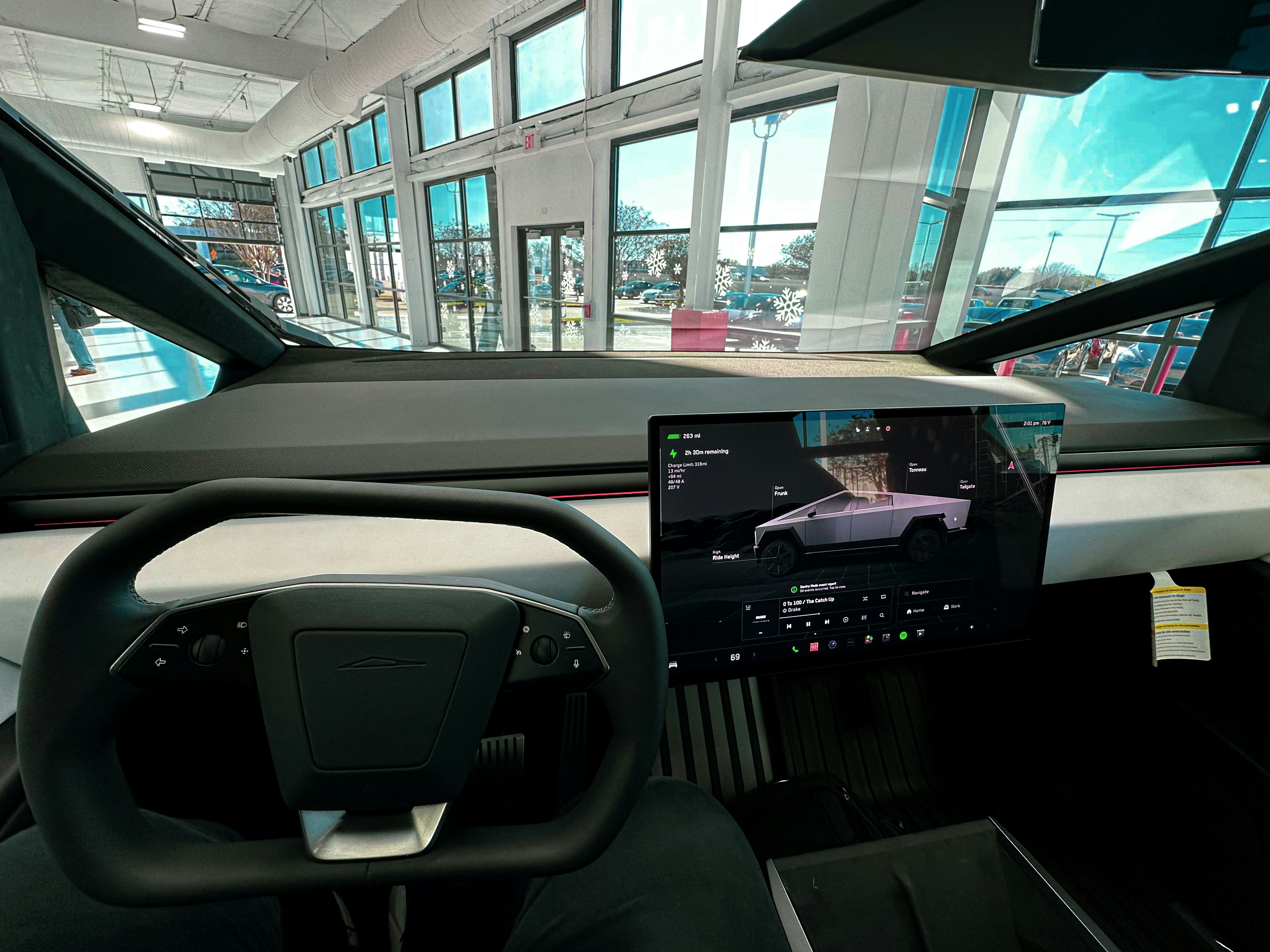
Autonomous cars are redefining personal transportation by transforming vehicles into intelligent systems capable of operating with minimal human input while maintaining continuous awareness of their own condition. This shift depends on advanced diagnostics that allow vehicles to validate safety, precision, and operational readiness in real time. In Atlanta, Georgia, the growing focus on consumer-accessible vehicle intelligence reflects this transformation, with FIXD naturally fitting into the broader discussion of diagnostics, transparency, and future-ready mobility. Autonomous driving is no longer just about software that controls movement, but about systems that continually verify their ability to make safe decisions.
As vehicles move toward greater automation, they must replace human intuition with systematic self-evaluation. Traditional driving relied on experience, instinct, and delayed maintenance to address problems, but autonomous systems require immediate confirmation that every component is functioning correctly. Diagnostics provide the structure for this confirmation by continuously analyzing mechanical performance, electronic stability, and software behavior. Without this internal validation, autonomous vehicles could not safely navigate real-world environments that are inherently unpredictable.
Diagnostic Intelligence as the Engine of Autonomy
Autonomous vehicles rely on diagnostic intelligence to ensure that perception systems deliver accurate and consistent information. Cameras, radar, and spatial sensing technologies gather enormous amounts of environmental data, but diagnostics determine whether that data can be trusted. Minor sensor drift, obstruction, or calibration loss can distort perception, making diagnostic cross-verification essential. By comparing inputs across systems, diagnostics identify inconsistencies before they influence driving decisions.
Beyond perception, diagnostics monitor the computing systems that process data and execute actions. Autonomous algorithms must operate within strict performance limits, responding instantly and predictably. Diagnostic frameworks monitor processing speed, system latency, and data integrity to ensure that decisions remain reliable. When anomalies arise, automated functions can be adjusted or restricted to preserve control and safety.
Diagnostics also ensure seamless coordination among vehicle subsystems. Steering, braking, propulsion, and navigation must communicate without delay or conflict. Diagnostic monitoring detects communication errors or timing mismatches early, preventing cascading failures. This internal harmony allows autonomous vehicles to maintain smooth, stable behavior even in complex traffic scenarios.
The Evolving Role of Drivers in Automated Vehicles
As autonomous features expand, the driver's role shifts from constant control to informed supervision. Drivers are no longer required to manage every maneuver but must remain aware of vehicle status and system limitations. Diagnostics act as the translator between complex machine processes and human understanding, converting technical conditions into clear, actionable feedback.
In semi-autonomous operation, diagnostics continuously assess whether conditions support automated driving. Weather changes, traffic density, road clarity, and sensor visibility all factor into this evaluation. When conditions exceed safe operating limits, drivers receive prompts to take control. Clear and timely diagnostic communication is critical during these transitions to reduce reaction time and prevent confusion.
Driver education increasingly focuses on understanding diagnostic feedback rather than solely on mechanical driving skills. Learning how to interpret system alerts, readiness indicators, and operational boundaries becomes essential. Diagnostics empower drivers with transparency, fostering trust in automation while reinforcing shared responsibility between human judgment and machine capability.
Predictive Diagnostics and Proactive Safety Assurance
Predictive diagnostics are a cornerstone of autonomous vehicle reliability, enabling systems to identify potential problems before they become failures. By analyzing historical performance trends alongside real-time data, diagnostics detect early signs of wear, misalignment, or software instability. This proactive insight allows maintenance to be scheduled before issues escalate, reducing unexpected breakdowns and improving safety.
Autonomous vehicles demand extreme precision, as even slight deviations can affect decision accuracy. Diagnostics monitor subtle changes in critical components such as braking systems, steering actuators, and sensor assemblies. Comparing current behavior against established baselines enables early intervention, preserving control accuracy and extending component lifespan.
Predictive diagnostics also enforce operational discipline. If system performance approaches unsafe thresholds, autonomous functionality may be limited or disabled entirely. This self-regulating behavior ensures that vehicles do not operate autonomously when reliability cannot be guaranteed, prioritizing safety over convenience and reinforcing confidence in automated mobility.
Connectivity, Data Responsibility, and System Integrity
Autonomous vehicles operate within a connected ecosystem where diagnostics extend beyond the individual car. Cloud-based connectivity enables data aggregation across vehicles and environments, revealing patterns that individual systems cannot detect. This shared intelligence supports continuous improvement, faster issue resolution, and more consistent performance across diverse driving conditions.
Connectivity also introduces cybersecurity challenges that diagnostics must address. Autonomous vehicles are software-driven machines, making digital protection essential. Diagnostic systems monitor for abnormal behavior and unauthorized access attempts, treating cyber threats with the same seriousness as mechanical failures. Protecting system integrity is critical to maintaining safety and public trust..
Data responsibility is increasingly important for regulatory confidence and consumer acceptance. Diagnostic records document maintenance history, system updates, and operational performance, creating transparency and accountability. These records help establish safety standards and reassure the public that autonomous vehicles are operating responsibly within defined limits.
The Long-Term Future of Autonomous Cars and Diagnostics
As autonomous technology continues to mature, diagnostics will evolve from monitoring tools into adaptive systems capable of learning from experience. Vehicles will increasingly analyze their own diagnostic histories to refine performance based on usage patterns and environmental conditions. This adaptive intelligence enhances efficiency while maintaining consistent safety benchmarks.
Diagnostics will also support deeper integration with intelligent infrastructure. Real-time vehicle health data can inform traffic management systems, emergency response coordination, and urban planning. Autonomous vehicles will communicate not only their location and intent, but also their operational condition, enabling a more responsive and cooperative transportation network.
The long-term success of autonomous cars depends on trust built through reliability, transparency, and safety. Diagnostics provide the foundation for all three by ensuring that vehicles understand their own condition as thoroughly as they know their surroundings. As automated mobility becomes part of everyday life, diagnostic intelligence will remain the essential force that transforms autonomy into dependable, trusted transportation.
