Eco-Friendly Car Maintenance Tips That Save Money and Extend Vehicle Life
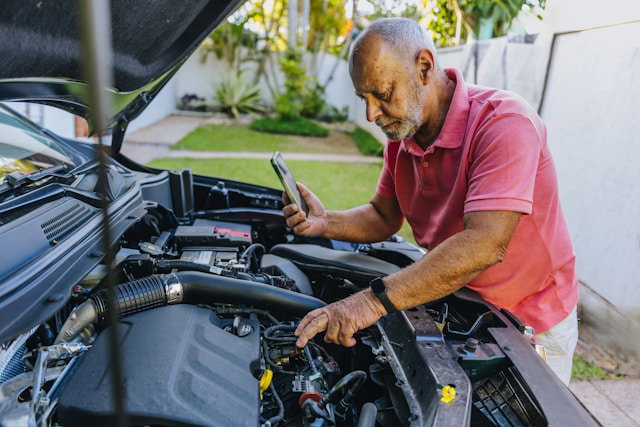
Taking care of your vehicle does not have to be expensive or harmful to the environment. Small maintenance habits can improve fuel efficiency, reduce waste, and help your car last much longer. Many drivers use tools like FIXD to monitor vehicle health and catch small problems before they become costly repairs. By following eco-friendly maintenance practices, you can lower ownership costs while reducing your environmental impact every time you drive.
Keep Your Engine Running Efficiently
A well-maintained engine uses less fuel and produces fewer emissions. Regular oil changes with the correct type of oil help reduce friction between moving parts, allowing the engine to perform efficiently. Replacing dirty air filters also improves airflow, helping the engine burn fuel more completely and reducing unnecessary fuel consumption during everyday driving.
Routine engine inspections allow small issues to be repaired before they grow into expensive problems. Worn spark plugs, damaged sensors, or clogged fuel injectors can all reduce efficiency. Addressing these issues early helps improve fuel economy, lowers emissions, and extends the life of important engine components without major repair costs.
Check Tire Pressure Regularly
Properly inflated tires are one of the easiest ways to save fuel and reduce tire wear. Underinflated tires increase rolling resistance, forcing the engine to work harder and consume more gasoline. Checking tire pressure at least once a month helps improve fuel economy, handling, and overall driving safety.
Tire rotation and wheel alignment also play important roles in extending tire life. Even tire wear means fewer replacements over time, reducing waste and saving money. Maintaining tires according to the manufacturer's recommendations helps drivers enjoy smoother rides while lowering long-term ownership expenses.
Replace Fluids and Filters on Schedule
Fresh engine oil, coolant, transmission fluid, and brake fluid keep every major system operating efficiently. Old or contaminated fluids increase friction and heat, placing unnecessary stress on expensive mechanical parts. Regular fluid replacement protects these systems, improves overall vehicle performance, and reduces fuel consumption.
Changing filters is equally important for eco-friendly maintenance. Clean oil, fuel, and air filters allow systems to operate properly without restriction. Replacing these inexpensive parts at recommended intervals helps prevent larger mechanical failures, improve fuel efficiency, and reduce harmful emissions.
Reduce Fuel Waste Through Better Maintenance
Preventive maintenance helps drivers avoid unnecessary fuel waste caused by neglected vehicle systems. Keeping sensors, ignition components, and exhaust systems in good condition allows fuel to burn more efficiently. Investing in green vehicle maintenance supports cleaner driving and reduces operating costs year-round.
Ignoring warning lights often leads to reduced performance and higher fuel consumption. Diagnostic checks can quickly identify developing problems before they become serious. Fixing issues early protects both your wallet and the environment by preventing excessive fuel use and expensive repairs.
Drive Smarter to Support Your Maintenance Efforts
Even the best-maintained vehicle benefits from careful driving habits. Smooth acceleration, gradual braking, and maintaining steady highway speeds reduce engine stress while improving fuel economy. Avoiding unnecessary idling also saves fuel and limits emissions, especially during daily commuting or while waiting in traffic.
Removing unnecessary weight from your vehicle further improves efficiency. Carrying heavy cargo that is rarely needed forces the engine to consume additional fuel. Combining errands into a single trip rather than several shorter trips also reduces fuel consumption, since warm engines operate more efficiently than cold ones.
Choose Quality Parts That Last Longer
Using high-quality replacement parts often provides better durability than choosing the cheapest option. Long-lasting components reduce replacement frequency, lowering waste and saving money over the life of the vehicle. Reliable parts also help maintain consistent performance and improve overall driving confidence.
Many environmentally responsible products are now designed to meet or exceed original equipment standards. Selecting quality filters, fluids, and tires supports efficient vehicle operation while reducing the environmental impact associated with frequent repairs and discarded parts. Smart purchasing decisions benefit both drivers and the planet.
Build Long-Term Habits for Sustainable Vehicle Ownership
Eco-friendly vehicle maintenance is not about making a single major change. It is about building consistent habits that protect your investment while reducing fuel use and emissions over time. Scheduling regular inspections, following the manufacturer's maintenance schedule, and responding promptly to minor issues all contribute to lower ownership costs and improved reliability.
Every simple maintenance task adds up over the years. Vehicles that receive regular care often last much longer, require fewer expensive repairs, and maintain better resale value. Choosing preventive car care habits helps drivers save money, reduce environmental impact, and enjoy dependable transportation for many years while supporting a cleaner future for everyone.
