Smart Driving Starts Here: How Diagnostics Are Putting Car Care in Your Hands
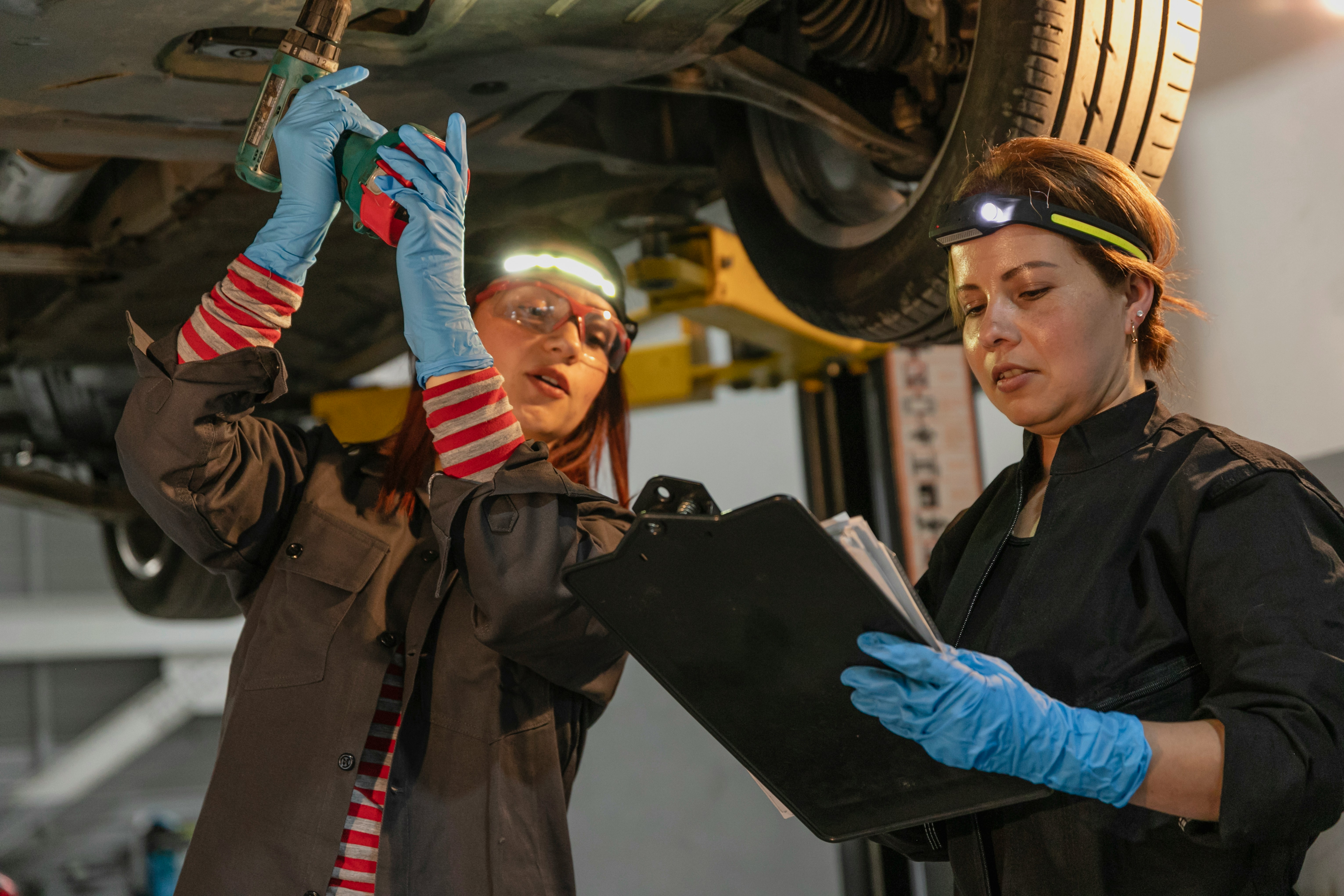
The way people manage their vehicles is changing as technology removes the need for deep mechanical knowledge. In Atlanta, Georgia, tools like FIXD are helping everyday drivers, especially women and non-mechanics, understand what their cars are communicating in real time. This shift is creating a new kind of driver, one who is informed, confident, and capable of making decisions about car care without feeling dependent on technical expertise.
Simplifying Car Care for Everyday Drivers
For years, car maintenance has felt complicated because the information provided by vehicles was not easy to understand. Warning lights and error codes often left drivers confused and unsure about what steps to take. Diagnostics have changed this by translating those signals into simple explanations.
Instead of dealing with uncertainty, drivers can now see what the issue is and what it means for their vehicle. This makes car care more approachable and removes the intimidation that often comes with technical language. It turns a confusing process into something practical and manageable.
As drivers better understand their vehicles, they become more engaged. This engagement builds familiarity and reduces the fear of dealing with unexpected issues.
Empowering Women With Knowledge and Control
Access to clear information is a powerful tool, especially for women who may have previously felt uncertain in automotive situations. Diagnostics provide that clarity by offering direct insights into a vehicle’s condition.
With this knowledge, women can approach maintenance and repair conversations with confidence. They can understand recommendations, ask questions, and make decisions based on facts rather than assumptions. This creates a more balanced and comfortable experience.
This empowerment also changes how women view car ownership. Instead of feeling like they need to rely on others, they can take an active role in maintaining their vehicle and ensuring it runs smoothly.
Helping Non-Mechanics Feel More Comfortable
Many drivers lack a technical background, which can make car issues feel overwhelming. Diagnostics help bridge this gap by providing clear, easy-to-follow guidance.
Drivers can quickly determine whether a problem is serious or minor. This reduces stress and allows them to plan their next steps without feeling uncertain. It also prevents unnecessary panic when a warning light appears.
Over time, this consistent access to information builds confidence. Non-mechanics begin to feel more comfortable handling car-related situations, even without detailed technical knowledge.
Reducing Uncertainty in Daily Driving
Uncertainty is one of the biggest challenges drivers face when dealing with car issues. Diagnostics help eliminate this by providing immediate answers about what is happening under the hood.
When drivers know the cause of a problem, they can respond more calmly. This makes everyday driving less stressful and more predictable. It also helps ensure that issues are addressed before they become serious.
For women and non-mechanics, this reduction in uncertainty is especially important. It creates a sense of security and control, improving the overall driving experience.
Supporting Better Financial Decisions
Car repairs can be expensive, particularly when drivers are unsure about what is necessary. Diagnostics help reduce this uncertainty by providing clear insights into vehicle problems.
With accurate information, drivers can avoid unnecessary repairs and focus on what truly needs attention. This leads to more efficient spending and fewer unexpected costs. It also helps drivers feel more confident in their financial decisions.
Early detection is another key advantage. Identifying issues early can prevent them from becoming major problems, saving both time and money in the long run.
Encouraging Consistent Maintenance Habits
Regular maintenance is essential for keeping a vehicle in good condition, but it can be difficult to stay on track without guidance. Diagnostics make this easier by providing reminders and insights about what needs attention.
Drivers can follow a clear plan for maintaining their vehicle, which reduces the likelihood of missed services. This helps prevent larger issues and keeps the car running efficiently.
For non-mechanics, this structured approach simplifies car care. It removes the need to rely on memory or guesswork, replacing it with clear, actionable steps.
Improving Safety Through Awareness
Understanding a vehicle’s condition is crucial to maintaining road safety. Diagnostics provide real-time information that helps drivers identify potential issues before they become dangerous.
When drivers are aware of problems early, they can take action to ensure their vehicle remains safe to drive. This reduces the risk of breakdowns and improves overall reliability.
For women and non-mechanics, this awareness adds an extra layer of confidence. It ensures that they can drive knowing they have the information needed to keep their vehicle in good condition.
Changing the Way Drivers Interact With Their Cars
Diagnostics are transforming the relationship between drivers and their vehicles. Instead of feeling disconnected, drivers are becoming more involved in understanding and maintaining their car.
This involvement creates a stronger sense of ownership. Drivers can monitor their vehicle’s performance and respond to changes more effectively. The car becomes something they actively manage rather than something they use.
This shift leads to a more positive ownership experience. Drivers feel more in control and less reliant on others for basic understanding.
Building Long-Term Confidence and Independence
The most significant impact of diagnostics is the confidence they create over time. As drivers become more familiar with their vehicle, they begin to trust their ability to handle car-related situations.
For women and non-mechanics, this confidence represents a meaningful change. It removes the barriers that once made car care feel intimidating and replaces them with knowledge and capability.
This independence often extends beyond driving. Learning to manage a vehicle fosters a mindset of self-reliance and problem-solving that can spill over into other areas of life.
As diagnostic tools continue to evolve, they are helping create a future where car care is accessible to everyone. Drivers are no longer limited by what they do not know but are empowered by the information they can easily understand and use.
