The Rise of Connected Cars: How Sensors Help Prevent Costly Repairs
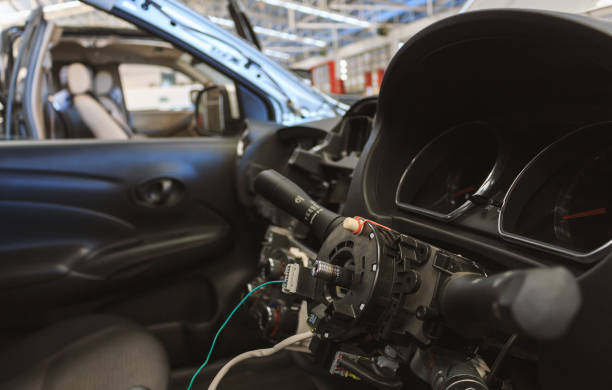
Connected cars are changing how drivers understand vehicle health, maintenance needs, and potential repair issues. Modern vehicles use a growing network of sensors to monitor everything from engine performance and tire pressure to temperature, emissions, and electrical systems. Technology such as FIXD makes vehicle data easier for everyday drivers to access and understand. By turning sensor information into useful alerts, connected car systems can help owners notice problems earlier, plan maintenance more effectively, and reduce the risk of expensive repairs caused by ignored warning signs.
How Vehicle Sensors Monitor Car Health
Modern vehicles rely on dozens of sensors that constantly watch important systems while the car is running. These sensors measure airflow, fuel pressure, engine temperature, wheel speed, oxygen levels, battery voltage, and many other conditions. When the system detects unusual readings, it can store diagnostic information or activate a dashboard warning light. This continuous monitoring gives drivers an early signal that something may need attention before a noticeable performance problem develops.
Sensor technology also allows the vehicle computer to adjust how different systems work. For example, engine sensors can help control the fuel-air mixture needed for efficient combustion. Wheel sensors can support braking and stability systems, while temperature sensors can help protect the engine from overheating. Because these components communicate with the vehicle computer, connected cars can identify patterns that would be difficult for drivers to notice on their own during everyday driving.
Detecting Problems Before They Become Expensive
One of the greatest benefits of connected vehicle technology is its ability to identify small problems before they become serious. A minor sensor reading may indicate an early issue with the battery, emissions system, cooling system, or another engine component. When drivers receive this information quickly, they can schedule service instead of continuing to drive until the problem causes a breakdown or damages another component.
Early detection can be especially valuable because many car repairs become more expensive when related parts are affected. For example, an ignored cooling system problem may eventually lead to overheating and major engine damage. A weak battery can place stress on the starting system or leave a driver stranded. Sensors give drivers valuable time to act. That extra time can turn an emergency repair into a planned maintenance visit.
Turning Dashboard Warnings Into Useful Information
Dashboard lights provide important alerts, but they do not always explain exactly what is wrong. A check engine light can appear for many reasons, ranging from a loose gas cap to a more serious engine or emissions problem. Connected diagnostic systems can give drivers more information about the warning. This detail helps owners decide whether the situation needs immediate attention or can safely wait for a scheduled service appointment.
More detailed information can also improve conversations between drivers and repair professionals. When an owner already has basic diagnostic data, it becomes easier to describe the problem and ask focused questions. The technician still needs to inspect the vehicle and confirm the cause, but the driver arrives better prepared. This creates a more informed repair experience and may reduce the confusion that often comes with unexpected warning lights or unfamiliar mechanical terms.
Using Sensor Data for Preventive Maintenance
Connected vehicles make preventive care easier because sensor information can show how the car is actually being used. Instead of depending only on fixed mileage intervals, drivers can use predictive vehicle maintenance insights to recognize when certain systems may need attention. Driving habits, mileage, engine conditions, and sensor readings can all help create a clearer picture of vehicle health. This approach makes maintenance more responsive to real operating conditions.
Sensor-based preventive maintenance can also help drivers avoid unnecessary service. A car that experiences heavy traffic, frequent short trips, or extreme temperatures may require attention sooner than a vehicle driven mainly on open highways. Connected systems can provide additional context that basic mileage tracking cannot. As sensor technology advances, drivers may receive increasingly personalized maintenance guidance based on their vehicles' actual condition and use.
Helping Drivers Protect Important Components
Many expensive automotive components show warning signs before they fail. Sensors can help detect changes in engine temperature, fuel delivery, transmission behavior, battery performance, and emissions systems. When drivers identify those changes early, they can have the vehicle inspected before a minor issue spreads. Protecting major components matters because repairs to engines, transmissions, electrical systems, and cooling systems can quickly become costly.
Connected technology can also help owners understand how maintenance affects these components over time. For example, repeated overheating warnings may signal a cooling problem that should not be ignored. Unusual voltage readings may point to battery or charging system trouble. Tire pressure alerts can prevent excess wear and improve handling. By responding to these signals, drivers can protect both individual parts and the vehicle's overall condition.
Making Vehicle Ownership More Predictable
Unexpected car repairs can create financial stress because they often happen without warning. Connected car systems can make vehicle ownership more predictable by giving drivers earlier notice about developing problems. Instead of waiting for a breakdown, owners can plan service around their schedules and budgets. Even when a repair cannot be avoided, early warnings give drivers more time to compare options and prepare for the expense.
Digital maintenance records can further improve planning. Some connected platforms store diagnostic history, mileage information, and completed services in one place. This makes it easier for owners to see what has been repaired and what may need attention next. Organized records can also help prevent forgotten maintenance. When drivers understand their vehicles' condition over time, they can make better decisions about repairs, replacement, and long-term ownership costs.
Building a Smarter Future for Car Maintenance
The role of sensors will continue to grow as vehicles become more advanced and connected. Future cars may use more detailed monitoring systems that recognize patterns before traditional warning lights appear. Software could compare current readings with past vehicle behavior and identify small changes that suggest a developing issue. This could make maintenance even more proactive, allowing drivers and technicians to address problems before they affect safety, reliability, or performance.
For drivers, the biggest advantage of connected technology is better access to information that was once difficult to obtain outside a repair shop. Sensors cannot prevent every mechanical problem, but they can provide valuable warnings and encourage faster action. As automotive sensor technology improves, car owners will have more tools to protect their vehicles, reduce surprise repairs, and plan maintenance with greater confidence. Connected cars are making vehicle care more informed, preventive, and manageable for everyday drivers.
